Kidney disease strikes like a thief in the night and it is unforgiving, says a patient with the chronic condition. Our News Analyst WYCLIFFE NJIRAGOMA shares some preventive tips.
Are your kidneys healthy? Kidneys collapse so slow that many die without knowing it.
“It’s like a thief. It comes unannounced, stealing your health, peace of mind and finances,” says Victor Makupe, who has since a sudden surge in blood pressure in 2019.
Healthcare workers say many patients arrive too late for dialysis, a blood-cleaning procedure many cannot afford
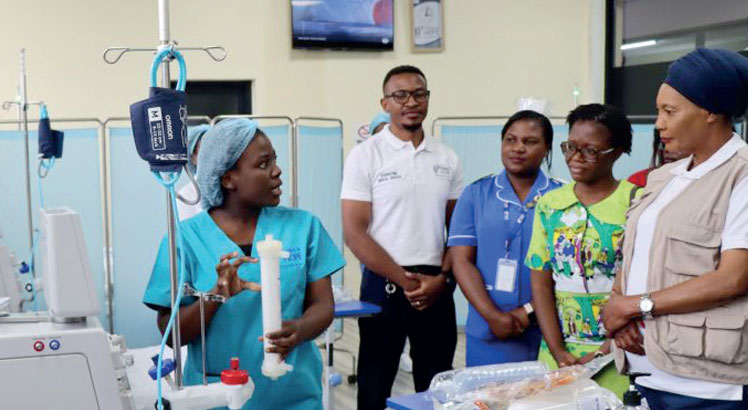
Some patients die prematurely and out of sight as only two public health facilities—Kamuzu Central Hospital in Lilongwe and Queen Elizabeth Central Hospital in Blantyre—have the machines that remove waste substances from blood while waiting for kidney transplant.
“This isn’t just a health issue, but a national national emergency worsened by delayed detection, misdiagnosis, limited access to treatment and lack of awareness,” Makupe states.
A neglected crisis
According to the Ministry of Health, over 400 Malawians are receiving care for kidney disorders—up from about 300 in 2023.
The World Health Organisation ranks kidney disease a rising global burden projected to become the fifth-worst killer by 2040—up from eighth currently.
Kidney disorders affect over 850 million people and a tenth of adults globally WHO reports.
“Despite the increasing burden, kidney disorders are preventable and progression to chronic kidney disease can be delayed with access to basic diagnostics, early treatment, lifestyle changes and healthy diets,” says Secretary for Health Dr Samson Mndolo.
However, experts say the country’s kidney disease burden could be more than double as most cases go undetected due to low awareness and long travels to checkups.
“It’s a silent killer, says US-based health policy expert Laurine Meke. “Most people don’t realise they’re at risk and seldom treat it as an emergency until their kidneys are severely damaged.”
Non-communicable disease specialist Evelyn Chibwe says most kidney complications start with unmanaged hypertension or diabetes.
“If we can control these preventable and treatable conditions, we’ll prevent
many kidney failure cases,” she says.
However, early symptoms—fatigue, swelling and frequent urination—can be vague, leading to wrong diagnoses and delayed treatment in clinics without requisite tools.
“Some turn to herbal concoctions or expired drugs, worsening the damage,” warns Chibwe.
Costly treatment
However, the two public hospitals that provide dialysis have 15 machines for the nation of over 20 million people—and some frequently break down.
Lengthy waiting lists for the few functional machines and stock-outs of essential supplies push patients to seek private care at Partners in Hope Hospital in Lilongwe, Mwaiwathu and Blantyre Adventist in Blantyre. A session costs over K250 000.
“Most patients only get help when the disease is in its final stages,” says community health advocate Henry Ndhlovu. “Even then, the system can’t keep up.”
Mndolo says a third central hospital will soon start offering dialysis.
“Dialysis is a tertiary-level care,” he states. “With Mzuzu Central Hospital [MCH] about to start offering dialysis, we’ll have the service in three out of four central hospitals,” he says.
However, there is no roadmap for Zomba Central Hospital, he says.
Currently, patients based in the Northern and Eastern regions endure the most of long and costly travels to Lilongwe and Blantyre.
Those who cannot risk the life-threatening wait for dialysis sell prized assets—land, livestock, homes and crop harvests—to raise money for the weekly medical trips. Many are trapped in debts in a desperate search for dialysis at least twice a week.
MCH spokesperson Arnold Kayira says Mzuzu’s six dialysis machines will not only “save lives but also incomes”, putting kidney care closer to patients in the North.
Nevertheless, Mndolo warns: “We must remember that dialysis is
supposed to be a stop-gap measure while awaiting kidney transplant.”
He disclosed the Ministry of Health has recruited a specialist on a three-year contract to lay the foundation for the provision of kidney transplants locally.
“This is the direction we must take: Domesticating kidney transplant services,” Mndolo adds.
The youth under threat
However, experts warn that kidney disease has become a rising problem for the country’s youthful population amid rising consumption of salty foods, unregulated energy drinks, alcohol and herbal concoctions that slowly destroy kidneys.
“Like many Malawians, young people are drinking themselves into early kidney failure without knowing it. These poor choices are health traps,” Meke warns.
While kidney transplants are nonexistent and dialysis sessions hard to reach, prevention remains within reach.
Chibwe is concerned that go unchecked: self-medication, energy drinks and herbal remedies.
She states: “People don’t realise these things damage kidneys over time. We don’t need expensive machines to fight kidney disease.
“We need consistent messages: drink water, avoid salty and sugary processed foods, exercise more and monitor your blood pressure and sugar.”
The NCD Strategic Plan of 2023 to 2030 recognises the major causes of premature deaths, but lacks a dedicated budget and clear timelines for kidney health. The ripple effect includes frequent drug stock-outs, underfunded facilities and unsustainable donor-funded interventions.
Meke implores: “Prevention must go beyond hospitals. Let us involve schools, churches and the media. Children can become health ambassadors.
“The private sector must step in too. This isn’t charity, but a smart investment in productivity and community wellbeing. Everyone is at risk.